Two short names, both starting with K, both sold as extracts and gummies in the same corner of the internet. That’s most of the reason people mix them up. Botanically they have nothing in common: different continents, different plant families, different parts, different chemistry. So I put them in one table and read the labels line by line.
Side by side
| Feature | Kava | Kanna |
|---|---|---|
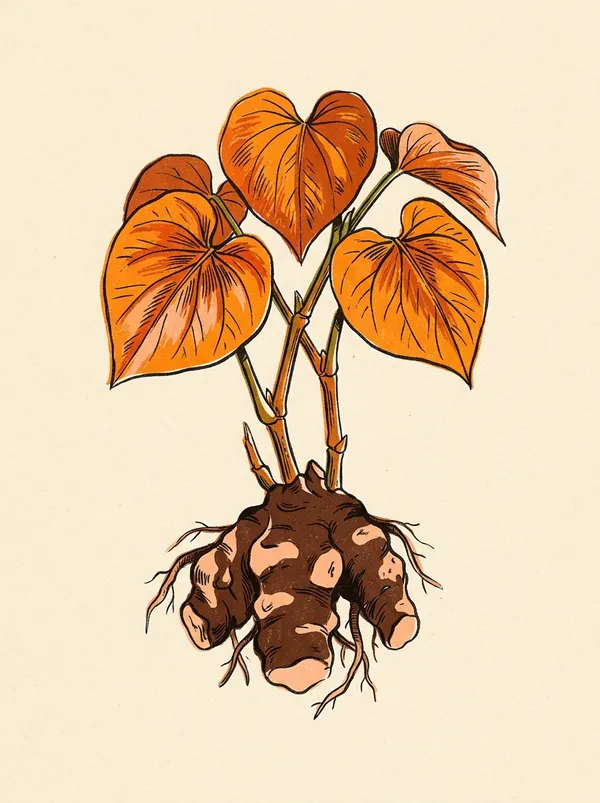
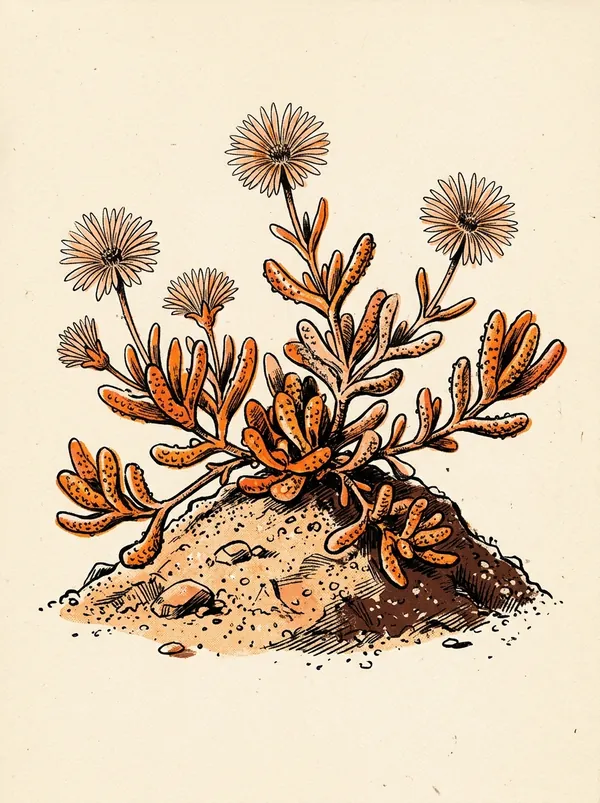
| Latin name | Piper methysticum | Sceletium tortuosum |
| Plant family / what it is | Piperaceae (pepper family), a leafy shrub | Aizoaceae (ice plant family), a low succulent |
| Where it grows | Pacific islands: Vanuatu, Fiji, Tonga, Samoa, Hawaii | South Africa, mainly the dry Karoo region |
| Part used | Root and lower stem | Above-ground parts, traditionally fermented and dried |
| Main compounds researchers study | Kavalactones; six main ones, including kavain and yangonin, make up most of the total | Mesembrine-type alkaloids: mesembrine, mesembrenone, mesembrenol |
| Common forms sold | Ground root, instant powder, shots, capsules, liquid extracts, gummies | Fermented dried plant, extracts, capsules, tablets, gummies |
| How it’s usually taken | Traditionally, ground root mixed with water and shared from a bowl at ceremonies and gatherings | Traditionally chewed by San and Khoikhoi peoples; today mostly sold as extracts |
| Legal status in the US | Legal in all 50 states and DC; New York limits kava drinks at restaurants and bars | Not federally controlled; Louisiana restricts it |
| Safety notes worth reading | Rare liver-injury reports (FDA advisory, 2002); don’t mix with alcohol | Not with antidepressants or other serotonergic drugs; ask a doctor first |
| What to check on the label | “Noble” variety, root (not leaves or peelings), kavalactone % | Extract ratio or alkaloid %, fermented or not, batch COA |
Which one fits what you’re after
If you care about
a long, living ceremonial tradition
→ Kava
Still served at welcomes and village gatherings across the Pacific islands
If you care about
a documented history in Southern Africa
→ Kanna
San and Khoikhoi use was written down by European travelers in the 1600s
If you care about
the simplest legal picture
→ Kava
Legal in every state; kanna is restricted in Louisiana
What I check on the label
- Kava: “noble” kava and “root” on the label, not leaves or stem peelings.
- Kava: a kavalactone percentage tells you more than any strength word on the front.
- Kanna: an extract ratio (like 10:1) or a standardized alkaloid %, not just “kanna extract.”
- Both: a lab report (COA) that matches the batch number and covers heavy metals and microbes.
Is it legal where you live? Rules for kratom and 7-OH change by state and city. Check the state-by-state map on 7-OH Laws →
Common questions
Is kava the same as kanna?
No. Kava is a pepper-family root from the Pacific islands; kanna is a South African succulent. Their compounds are unrelated.
Which is legal in more states?
Kava. It’s legal in all 50 states and DC. Kanna isn’t federally controlled either, but Louisiana restricts it.
What are kavalactones and mesembrine?
Kavalactones are the group of compounds that defines kava. Mesembrine is the best-studied of the alkaloids in kanna; a 2022 review counted 25 kanna alkaloids in four classes.
Why is kanna fermented?
Traditionally the crushed plant was fermented before drying. Fermenting changes the balance between its alkaloids, so some labels say whether the plant was fermented.
Sources (6)
— Dan
Updated by Dan Mercer.